The Journal · History
The Bokken, the Jo & the Tanto - a history you can hold.
January 2026
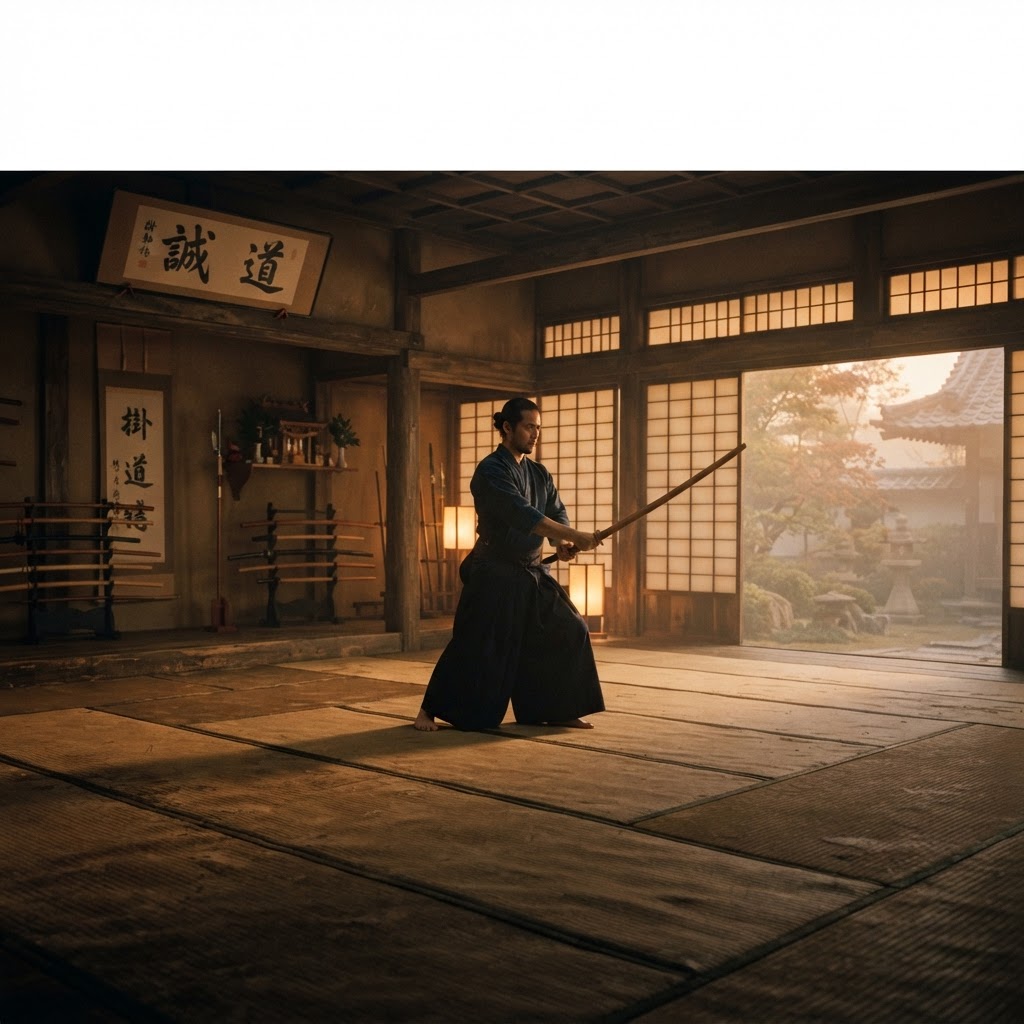
Long before the steel blade, there was wood. In the quiet halls of feudal Japan, warriors carved their first weapons from oak - not because they lacked metal, but because wood taught something steel could not: patience, precision, and the courage to begin.
The bokken, the jo, and the tanto are three wooden tools that have survived centuries. Each one carries a story - of duels fought, philosophies born, and a tradition that quietly crossed the ocean to find new hands.
This is their history, and why we still train with them today.
The Wooden Sword
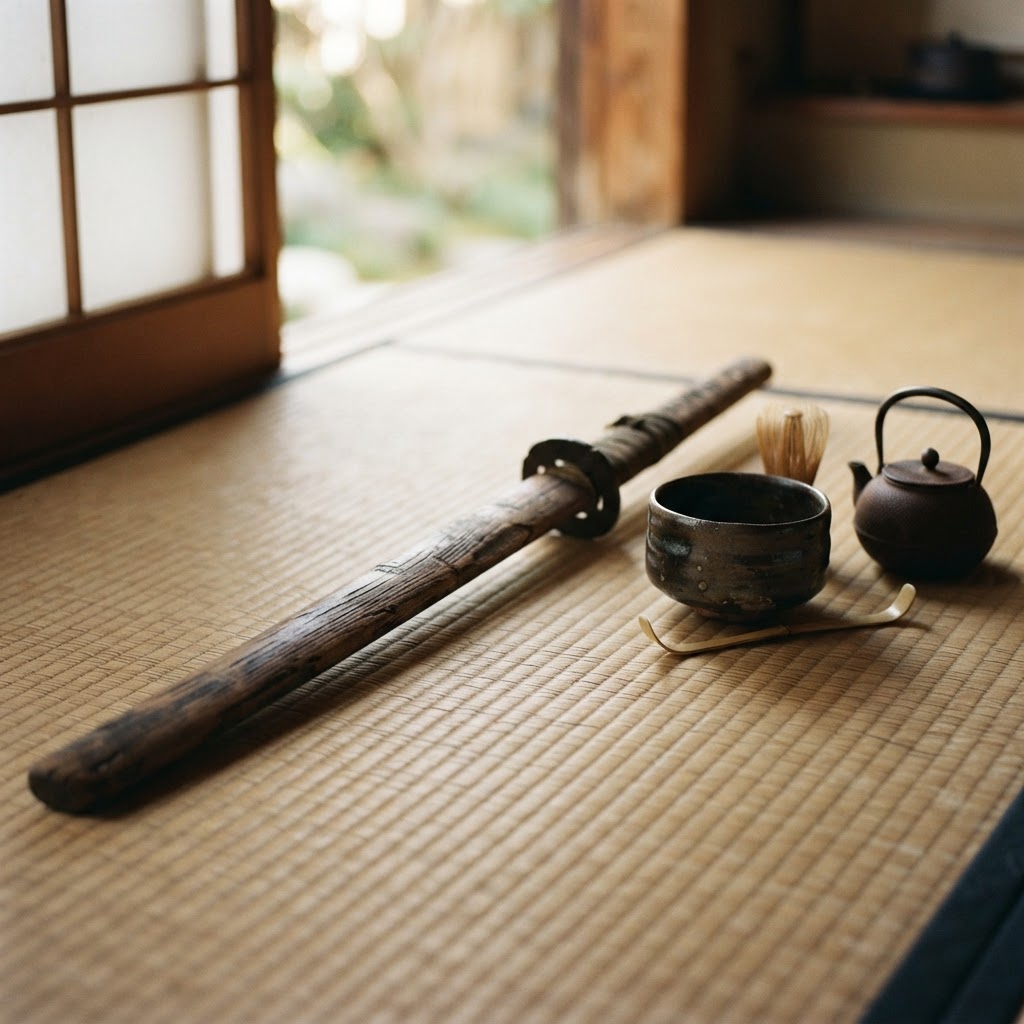
The Bokken
The bokken - a wooden sword carved in the shape of a katana - is older than written martial records. Early samurai used it to train without risking their steel blades, but it soon became a weapon in its own right. Miyamoto Musashi, Japan's most famous swordsman, defeated the master Sasaki Kojiro in 1612 armed with nothing but a carved wooden oar.
That duel cemented the bokken's legend: that mastery lives in the person, not the blade. Today, every swing - diagonal, rising, decisive - still asks the same question Musashi answered with wood.
The Four-Foot Staff
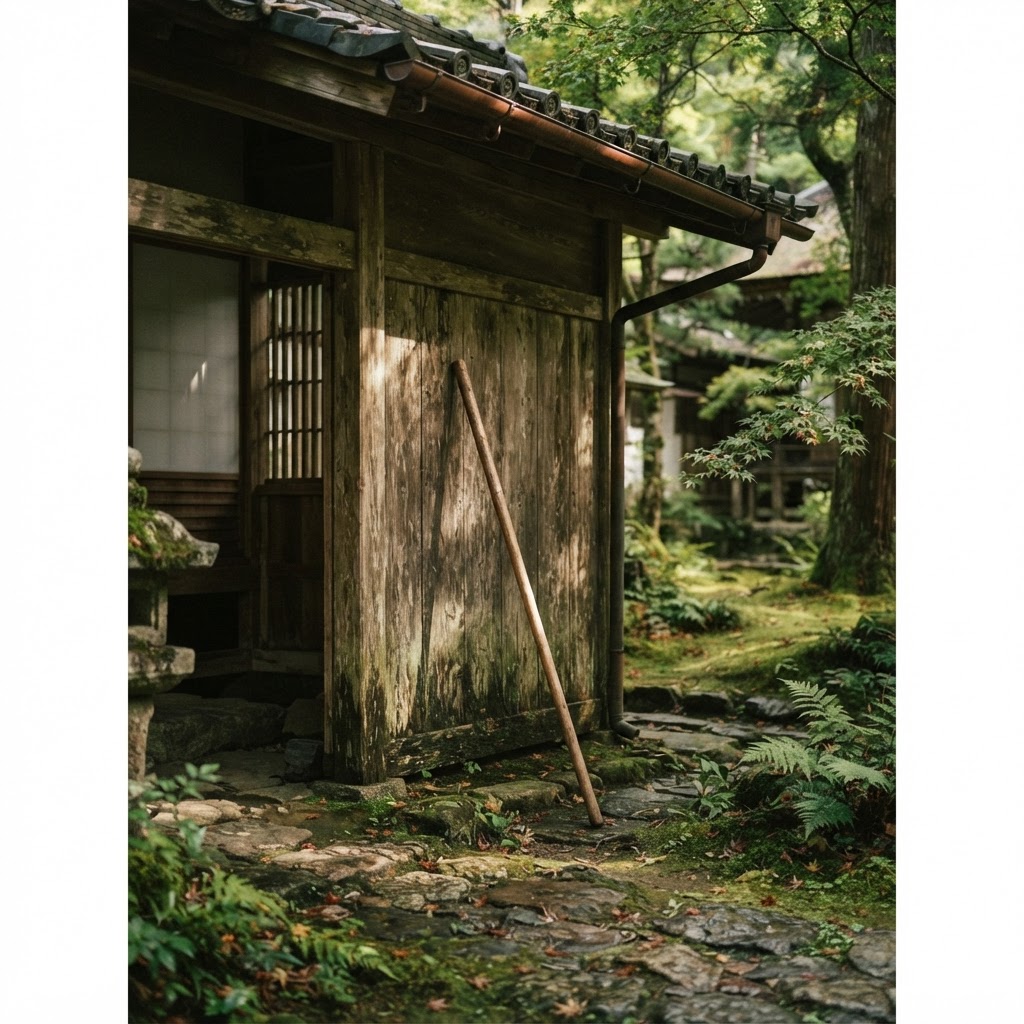
The Jo
The jo was born from defeat. In the early 1600s, the warrior Muso Gonnosuke faced Miyamoto Musashi and lost - the only man to survive. Retreating to meditate, he received a vision: a staff shorter than a spear, longer than a sword. He returned and fought Musashi again, this time to a draw.
That insight - that speed and versatility can overcome reach - became the jo's philosophy. Its circular, flowing movements still open the hips, mobilise the spine, and remind us that defeat is often the beginning of wisdom.
The Short Blade
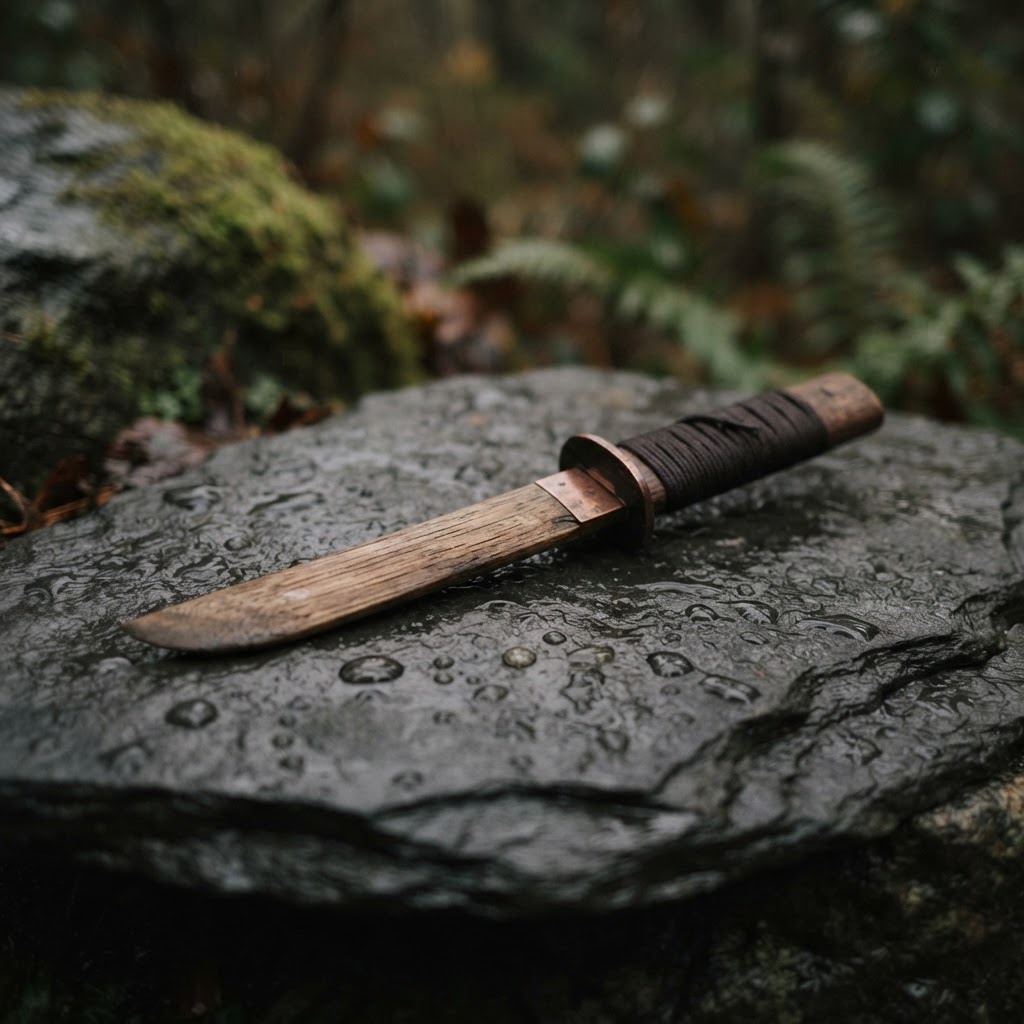
The Tanto
The tanto - a short blade - was carried by samurai as a secondary weapon for close quarters. In an age of long swords and long distances, the tanto demanded something harder: closeness. Where the bokken cuts and the jo flows, the tanto asks you to stay.
In its wooden form it teaches timing and calm under pressure - the ability to meet intensity without retreating. It is the most intimate of the three, and perhaps the most honest: at that distance, there is no room for anything but presence.
Why we still train
Not for combat, for attention.
These three tools crossed centuries and oceans not because they were deadly, but because they demand something rare: full presence. The bokken asks for commitment. The jo asks for flow. The tanto asks for stillness.
We train with them not to fight, but to return - to a steady body, a calm breath, and a quiet mind. The history lives on in every swing.