The Weapons
Tools of attention.
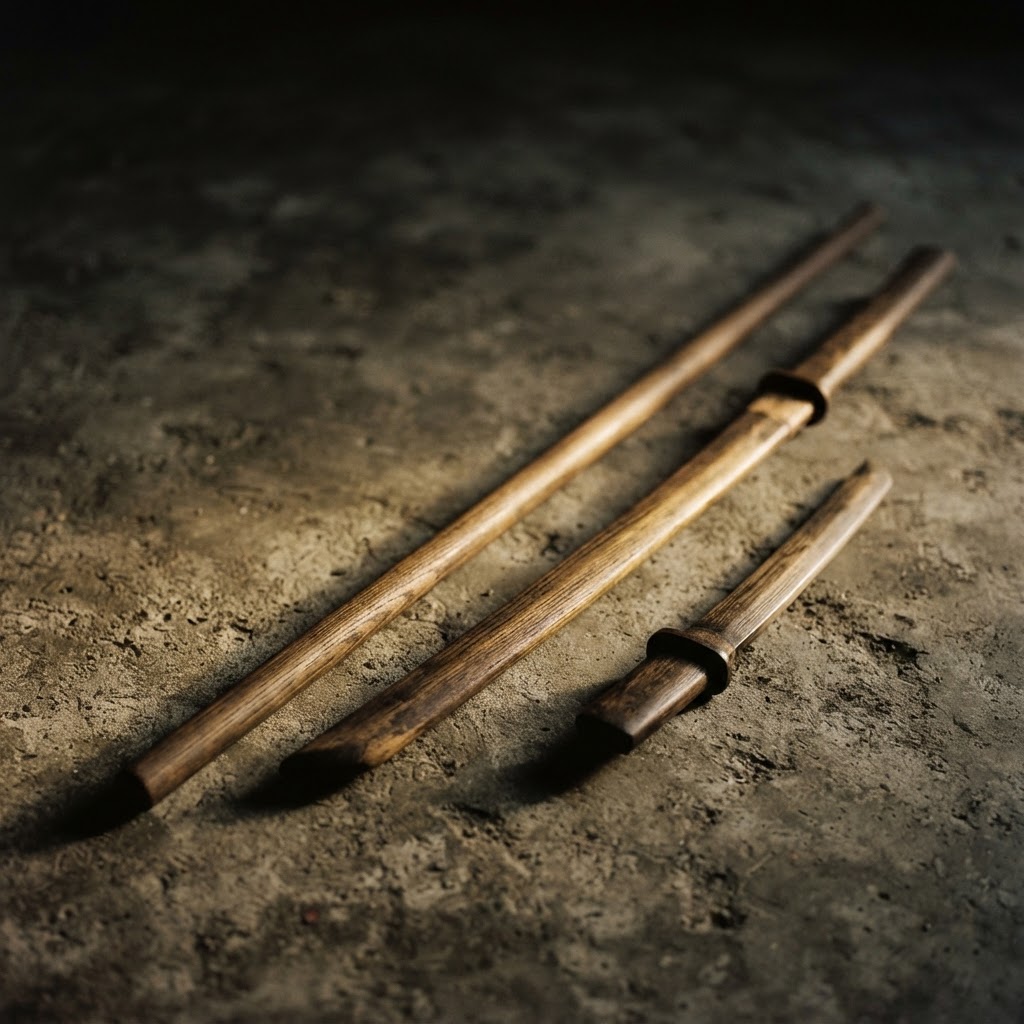
The bokken, the jo, the tanto - three wooden tools that carry centuries of history, now used to build strength, calm and presence.
Three weapons, one foundation
A history you can hold in your hands.
Each weapon teaches a different kind of strength - precision, flow, closeness. Together they form the foundation of a practice that builds not fighters, but people who move with intention.
Bokken
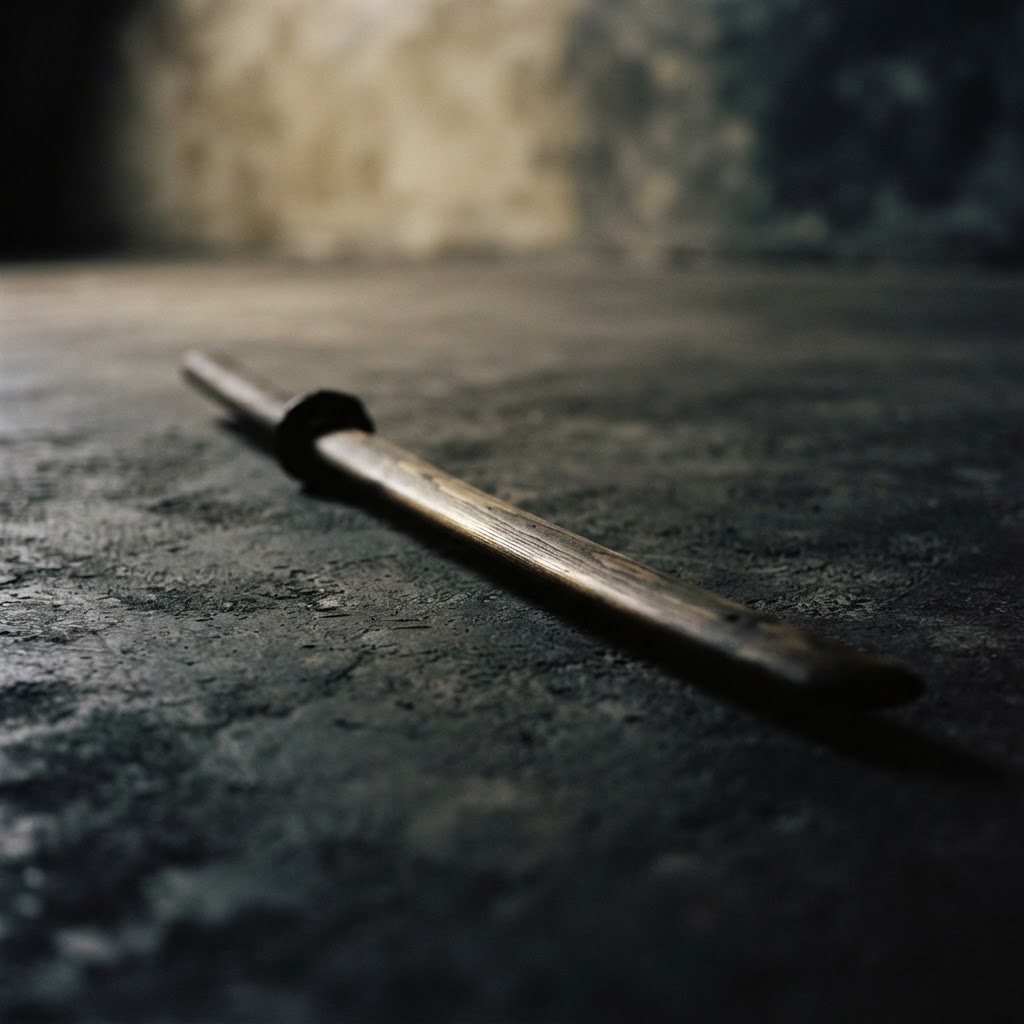
the wooden swordHistory
Carved in the shape of a katana, the bokken has trained samurai for centuries. Legend says Miyamoto Musashi defeated his greatest rival armed with nothing but a carved wooden oar.
Why it matters
Each cut - diagonal, rising, decisive - trains the whole body to move as one. Slow, deliberate swings reveal every imbalance in posture and breath, demanding a quiet mind and a grounded centre.
Jo
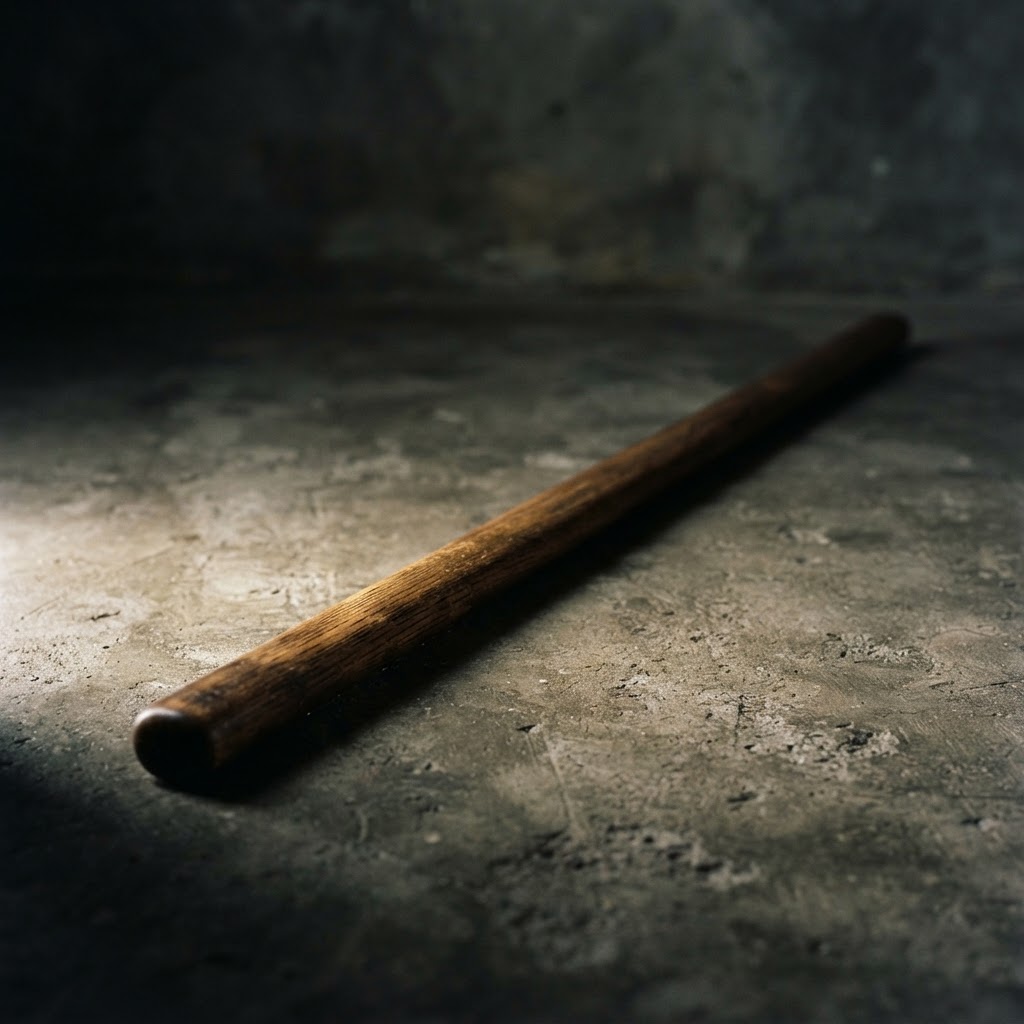
the four-foot staffHistory
Formalised in the 17th century by Muso Gonnosuke after his defeat by Musashi, the jo was born from meditation and divine inspiration - a staff fast and versatile enough to defeat both sword and spear.
Why it matters
Its circular, flowing movements open the hips, mobilise the spine and develop whole-body coordination. Inhale to raise, exhale to strike - the staff becomes an extension of the breath.
Tanto
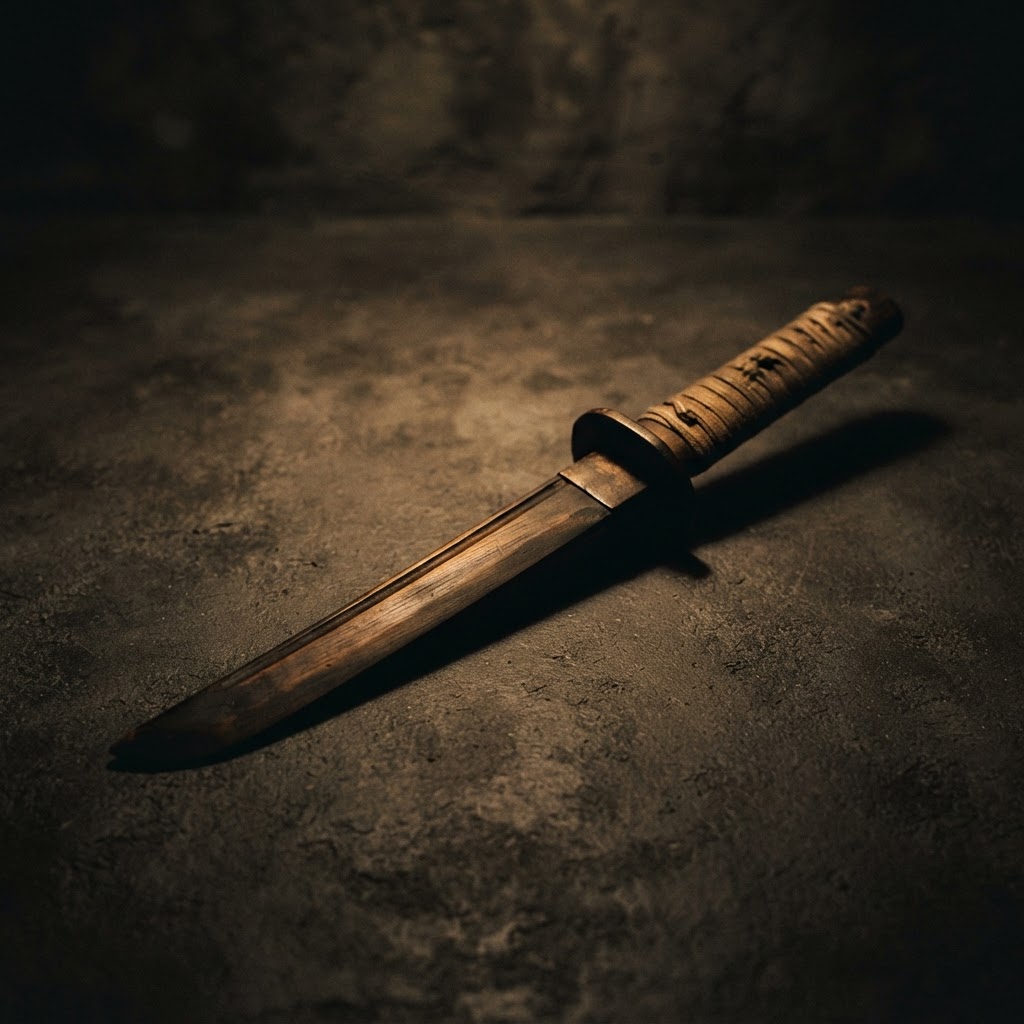
the short bladeHistory
Carried by samurai as a secondary blade, the tanto is compact and intimate - a weapon of close quarters where timing, distance and calm under pressure were everything.
Why it matters
Because the distance is so short, there is no room for hesitation. The tanto cultivates closeness, steadiness and the ability to meet intensity without resistance - calm confidence carried into everyday life.
Why we train
Not for combat, for attention.
We train with wooden weapons not to fight, but for the quality of attention they demand. Each one teaches a different kind of strength - and each one returns us to the same place: a steady body, a calm breath, a quiet mind.