The Journal · History
Breathwork - the original practice.
May 2026

You have taken around 20,000 breaths today. Most of them happened without you noticing. But for thousands of years, across every continent and tradition, people discovered the same extraordinary thing: the breath, when guided, can change everything.
Breathwork is not new. It is not a trend, a hack, or a wellness invention. It is one of the oldest practices in human history - older than recorded language, older than most religions. Long before science could measure a heart rate or map a nervous system, ancient cultures understood that the breath is a bridge between body and mind.
This is where it came from, how it works, and why it still matters.
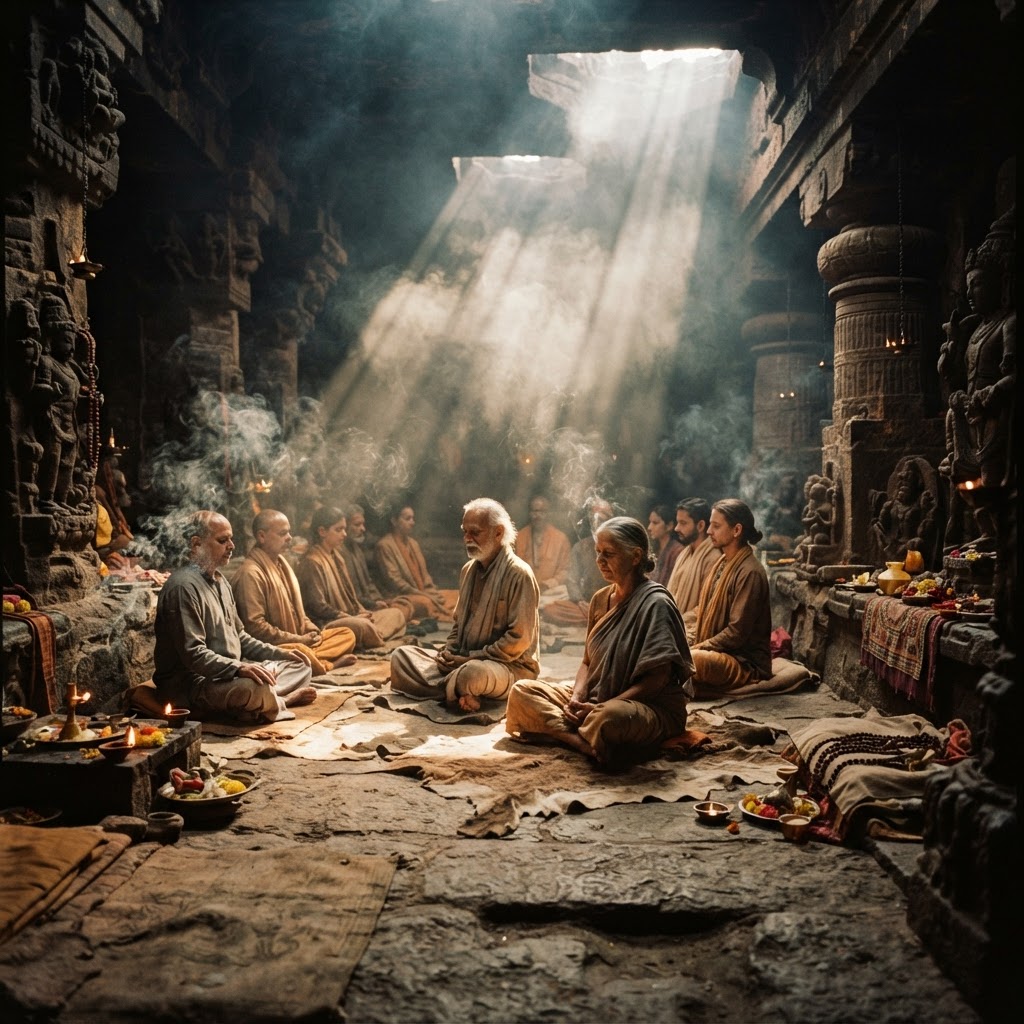
Every Tradition, Every Breath
The Ancient Origins
In India, the yogic tradition called it pranayama - the control of prana, the life force that rides on the breath. The Yoga Sutras, written around 200 BCE, describe breath as the key to stilling the mind. The word itself means "extension of the breath," and it was practiced for centuries before anyone wrote it down.
In China, Taoist sages developed qi gong - "breath work" - to cultivate and circulate qi, the vital energy. Buddhist monks used mindful breathing as the foundation of meditation. In the Christian desert traditions, early mystics practiced rhythmic breathing with prayer. Every culture, independently, arrived at the same door: the breath.
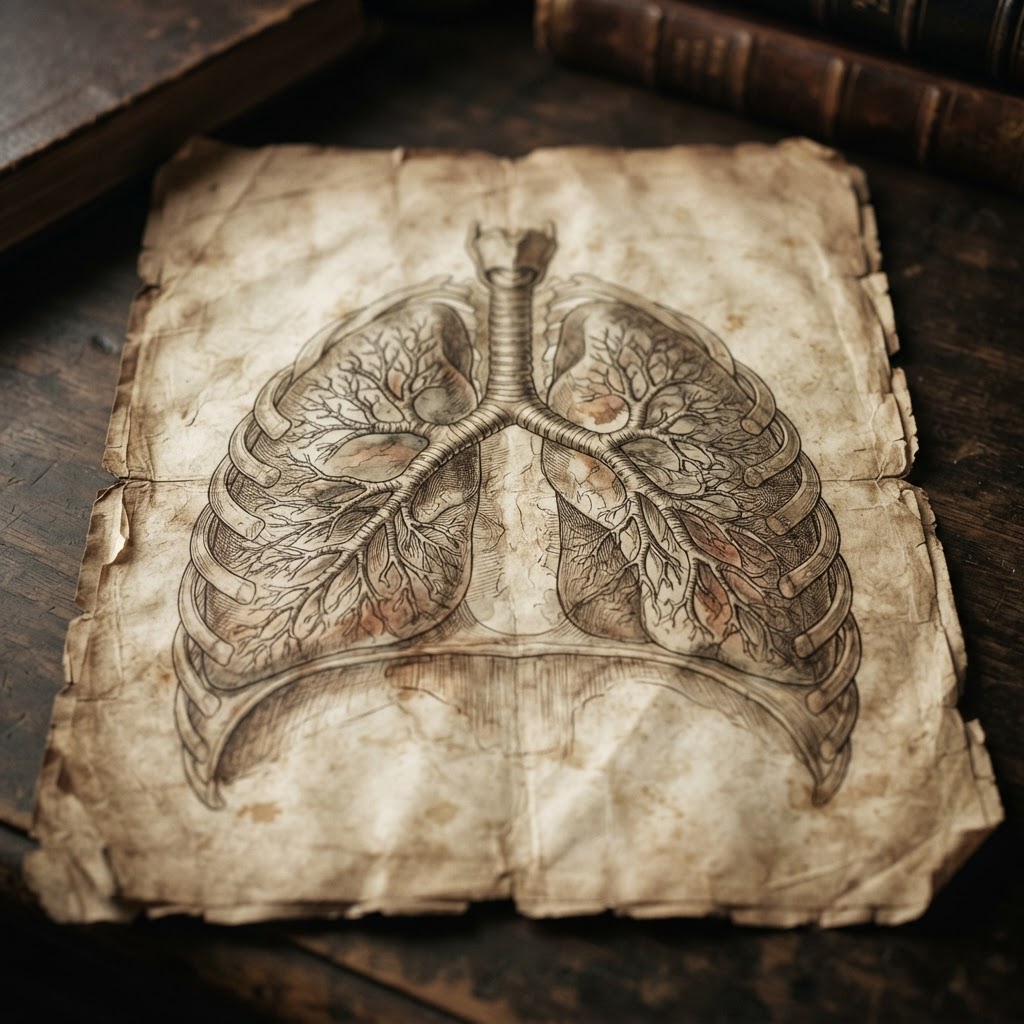
The Bridge Within
The Science of the Breath
Modern science has confirmed what the ancients felt. The breath is the only autonomic function you can also control voluntarily - making it a direct line between your conscious mind and your nervous system.
Slow, deep breathing activates the parasympathetic nervous system - the body's "rest and restore" mode - lowering heart rate, reducing blood pressure, and calming the stress response. Fast, rhythmic breathing can energise and release. The breath does not just reflect your state of mind; it shapes it. Every inhale and exhale is a signal you send to your own body.
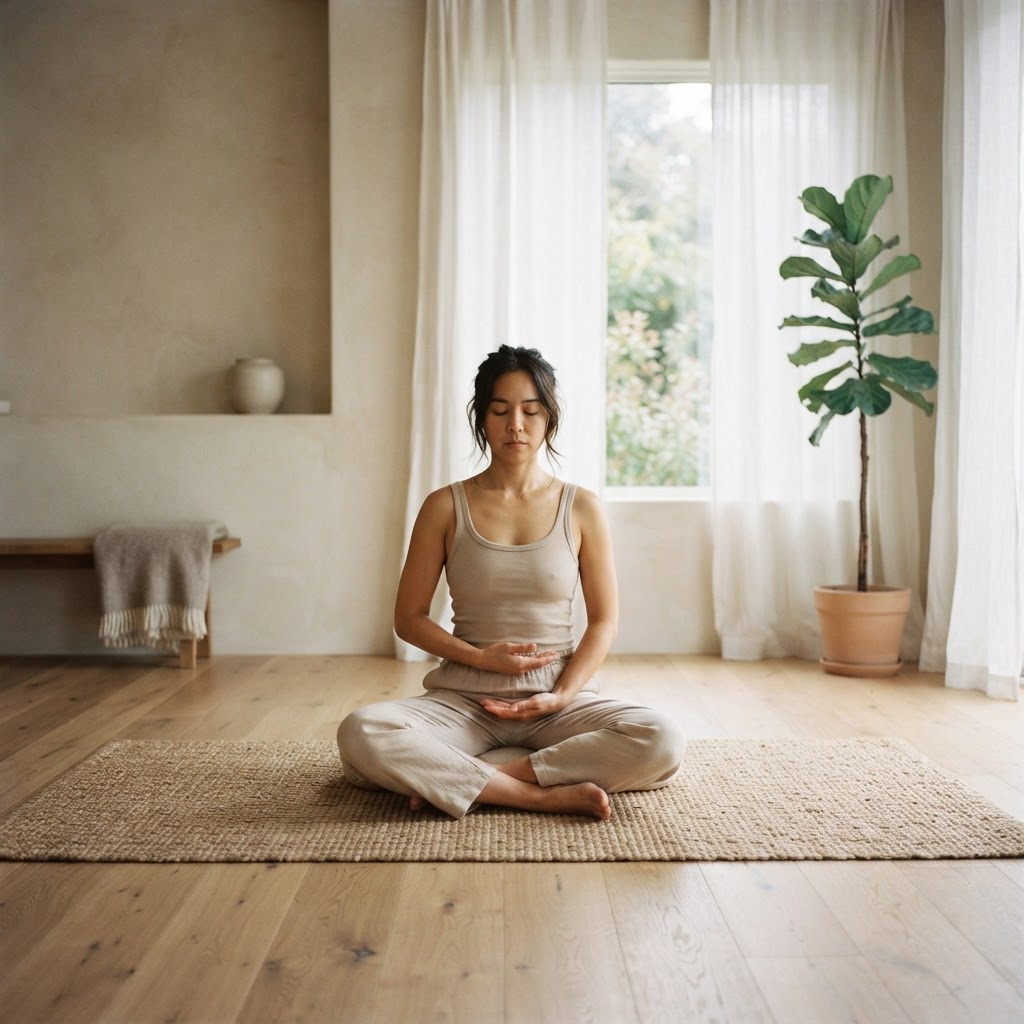
The Return
The Modern Revival
In the 20th century, breathwork re-entered the mainstream through pioneers like Dr. Andrew Weil and the Wim Hof method, which combined breathing with cold exposure. Clinical studies began to show what yogis had claimed for millennia: that structured breathing could reduce anxiety, improve sleep, boost immunity, and even regulate pain.
Today, breathwork is used in hospitals, therapy, sports science, and meditation apps. But at its core, nothing has changed. The practice is the same one a sage performed in a cave three thousand years ago: sit, breathe, and pay attention. The breath is still the bridge.
Why we still breathe
The breath is always with you.
You do not need a mat, a studio, or an app. You do not need an hour. You already have the only tool required - it has been with you since your first moment, and it will be with you until your last.
The ancients understood that the breath is not just something the body does. It is something you can shape, guide, and trust. When you breathe with intention, you are not just taking in air. You are joining a practice as old as humanity itself - the practice of coming home to yourself, one breath at a time.