The Journal · History
Yoga - the true story.
March 2026
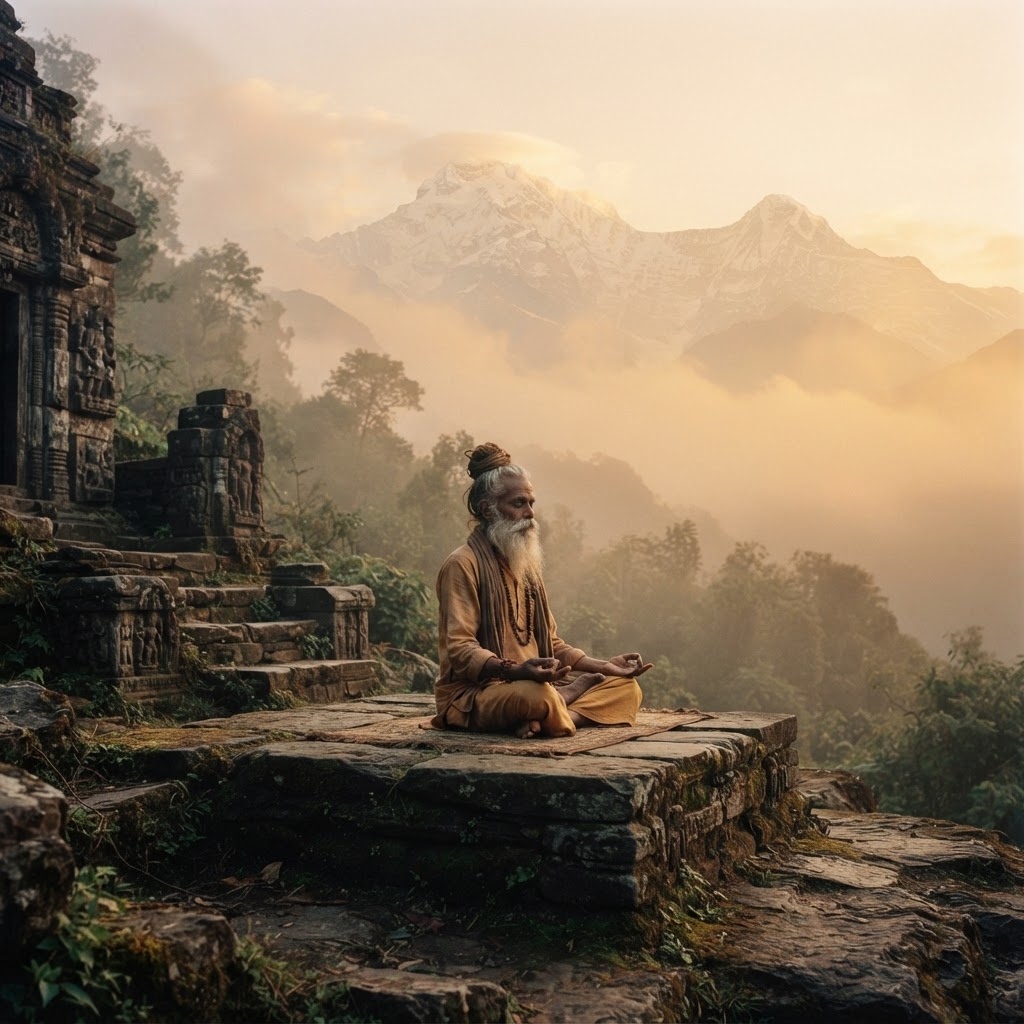
Yoga did not begin on a mat. It did not begin with stretching, or with leggings, or with a studio membership. It began thousands of years ago, on the dirt floors of ancient India, as a practice of attention - a way to quiet the mind and know oneself.
Long before it crossed oceans and appeared on magazine covers, yoga was a discipline of stillness. Its true history is older, deeper, and more surprising than the version most of us were told.
This is where it came from, and what it was really for.
Before the Written Word
The Origins
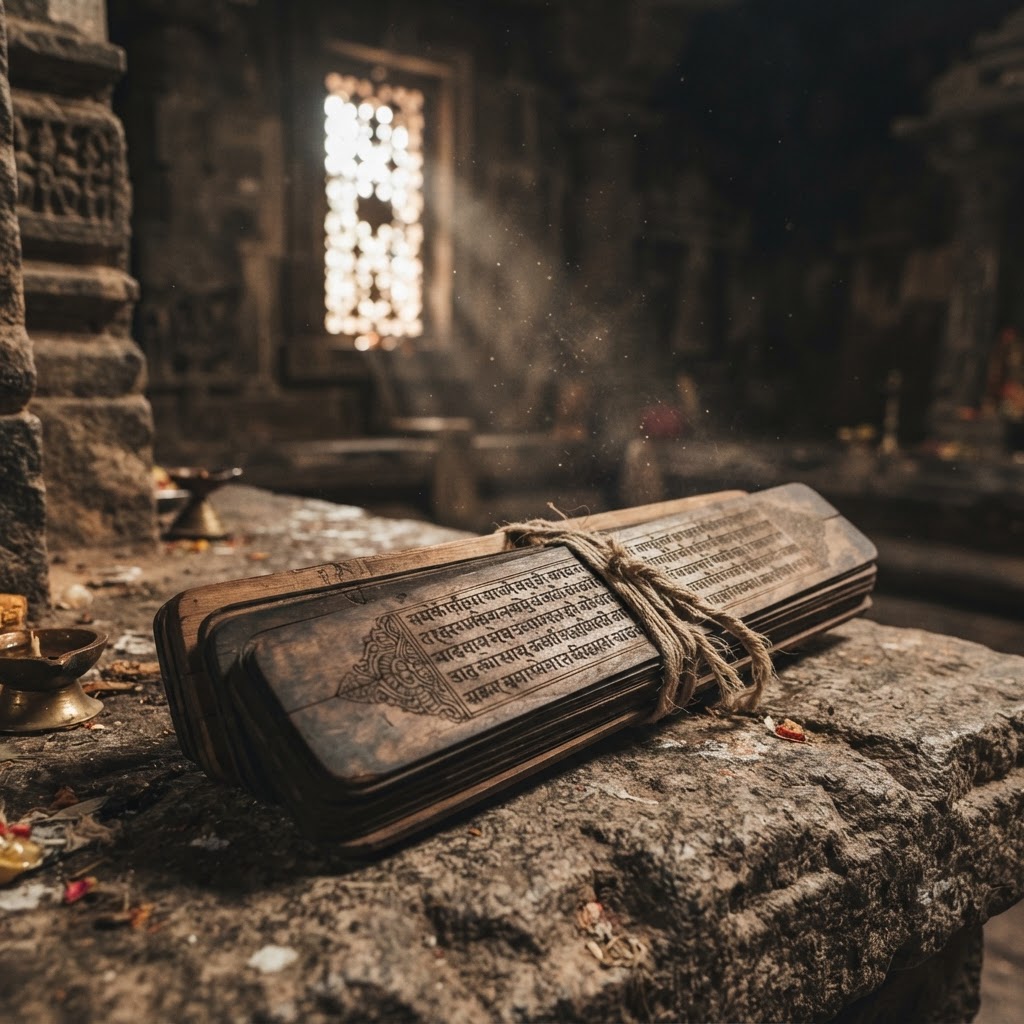
The earliest traces of yoga reach back over 5,000 years, to the Indus Valley civilisation. Seals carved in stone show figures sitting in cross-legged meditation poses - evidence that the practice of stillness is older than most of the world's religions.
The word itself first appears in the Rig Veda, around 1500 BCE - ancient hymns sung by seers in the forests of northern India. "Yoga" comes from the Sanskrit root yuj, meaning "to yoke" or "to unite." From the very beginning, it was about union: of body, breath, and mind.
The First System
Patanjali & the Eight Limbs
Around 200 BCE, a sage named Patanjali gathered centuries of scattered teachings into a single text: the Yoga Sutras. In 196 short verses, he mapped the entire path of yoga as a discipline of the mind - not the body.
He described eight limbs, or ashtanga: ethical living, self-discipline, posture, breath control, withdrawal of the senses, concentration, meditation, and finally - samadhi, the state of complete absorption. Only one of those eight limbs concerns the body.
The postures we call "yoga" today were, in Patanjali's system, simply preparation. A way to make the body steady enough to sit, and the mind steady enough to see.
The Body Awakens
Hatha & the Turning Inward
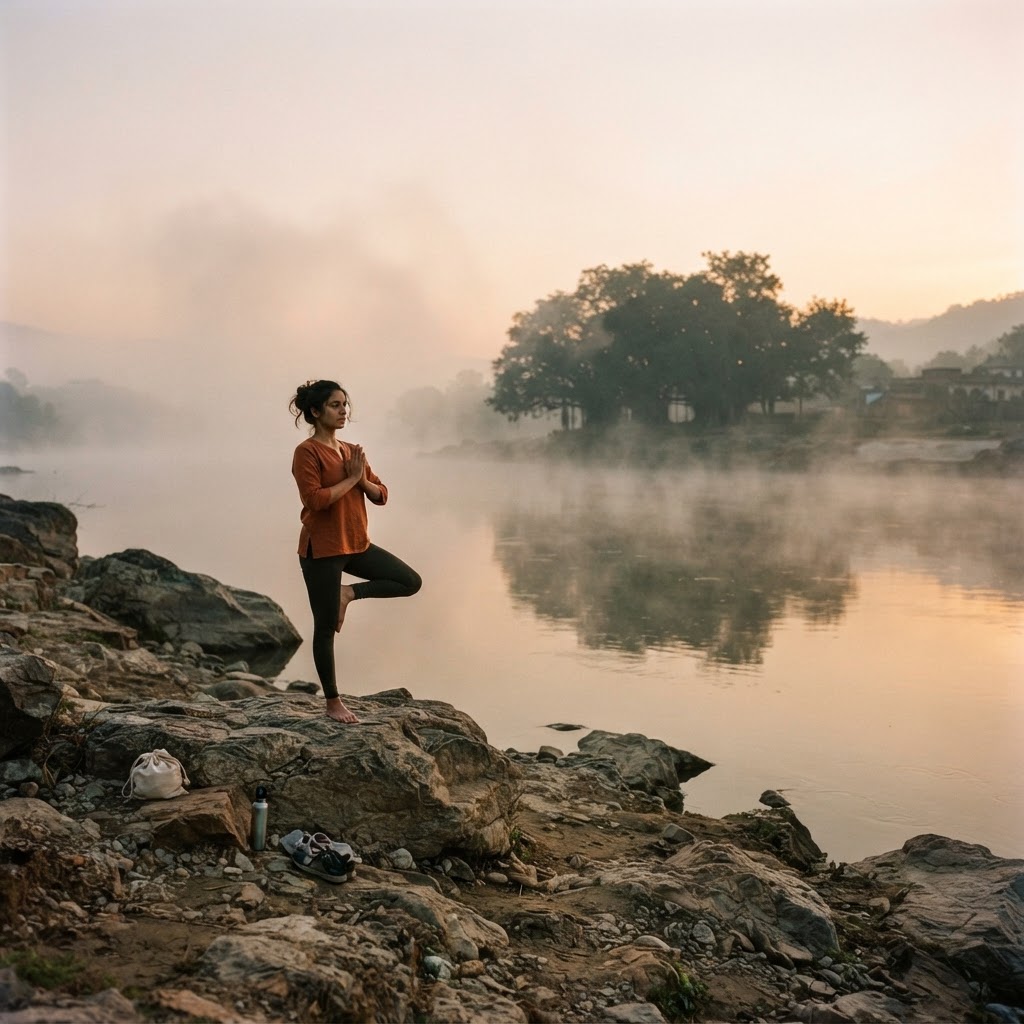
For most of yoga's history, the body was almost an afterthought. That changed around the 11th century, when tantric traditions gave rise to Hatha yoga - a practice that treated the body not as an obstacle, but as a vehicle for awakening.
Hatha texts like the Hatha Yoga Pradipika described postures, breath techniques, and purification practices designed to prepare the body for deep meditation. The physical practice was still in service of the inner work - but for the first time, the body had a central role.
The Crossing
Yoga Goes West
In the early 20th century, a teacher named T. Krishnamacharya in Mysore, India, revived and reshaped the physical practice. He taught a dynamic, flowing style of asana - blending traditional Hatha with Indian wrestling and gymnastics. His students included B.K.S. Iyengar, Pattabhi Jois, and Indra Devi, who carried the practice across the world.
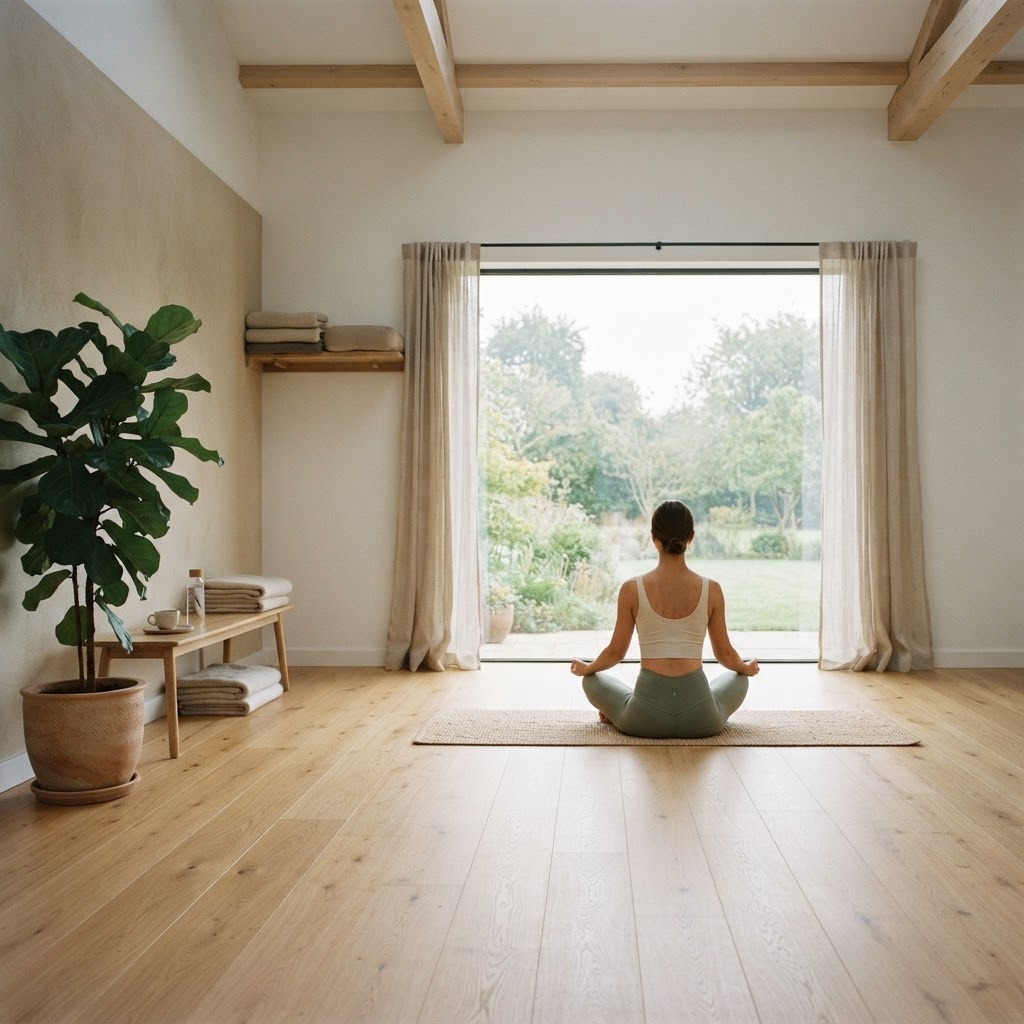
By the 1960s, yoga had reached the West. What spread fastest was the part easiest to see - the postures. The deeper limbs, the ethics and meditation, were often left behind. What arrived in studios was real, but it was only one branch of a much larger tree.
What yoga really is
Not a workout, a returning.
Yoga was never about touching your toes. It was about turning inward - using the body and breath to steady the mind, and the mind to see clearly. The postures are a doorway, not the destination.
When you step onto the mat, you are stepping into a tradition older than you knew. Five thousand years of seekers, sages, and ordinary people - all searching for the same thing: presence, union, a way to come home to yourself.